
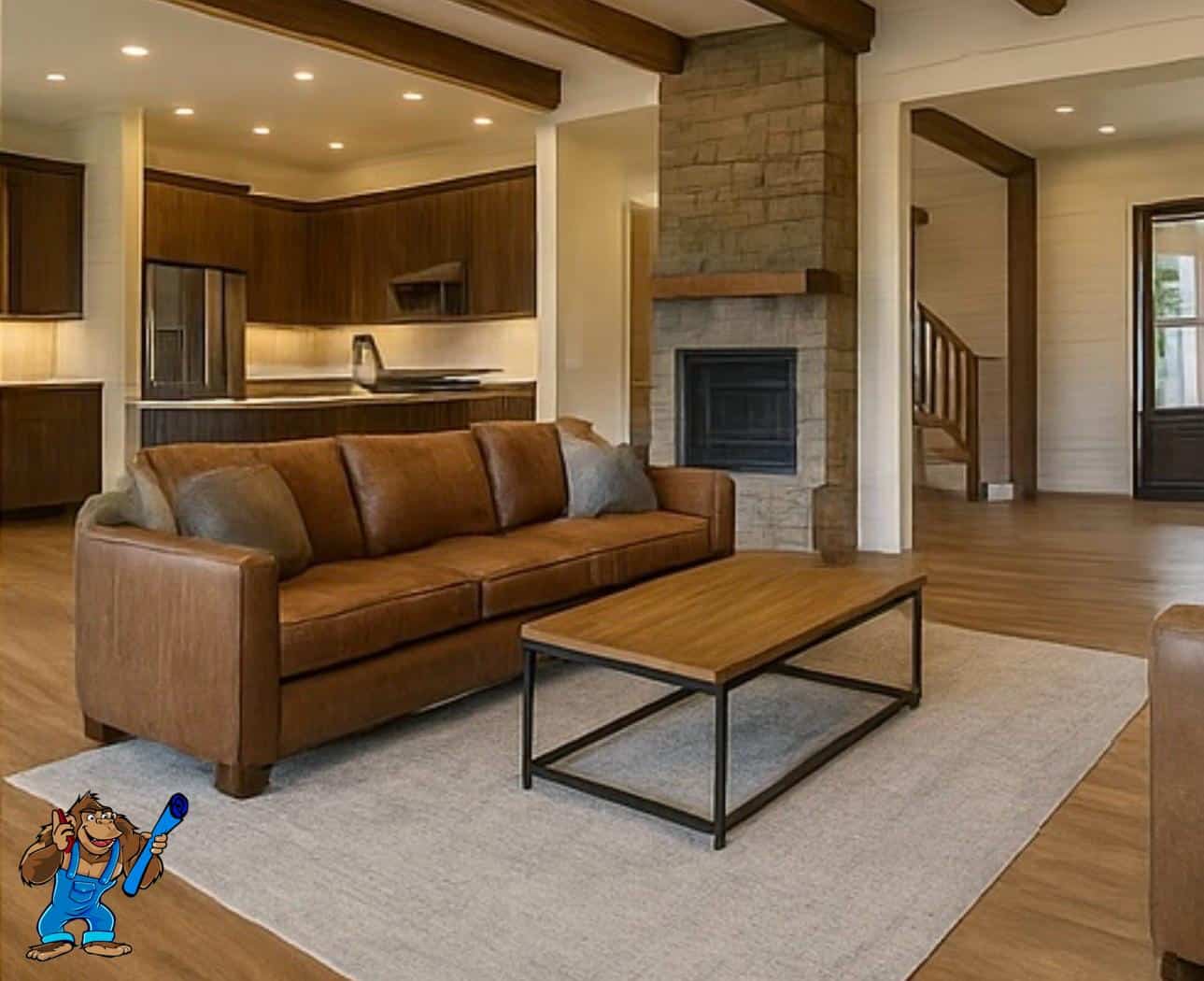
Barndominiums—“barndos”—have become one of the most talked-about home-building trends in America. Social media promotes them as fast, cheap, and customizable. But with all the hype comes a tremendous amount of misinformation.
As licensed commercial and residential contractors with decades of experience, Gorilla Building has built, repaired, evaluated, and redesigned countless structures, including barndominiums. We created this guide to clarify the real facts, eliminate myths, and help homeowners understand what truly goes into building a safe, code-compliant barndominium.
For more information about our services, visit: https://www.gorillabuilding.com
WHAT EXACTLY IS A BARNDOMINIUM?
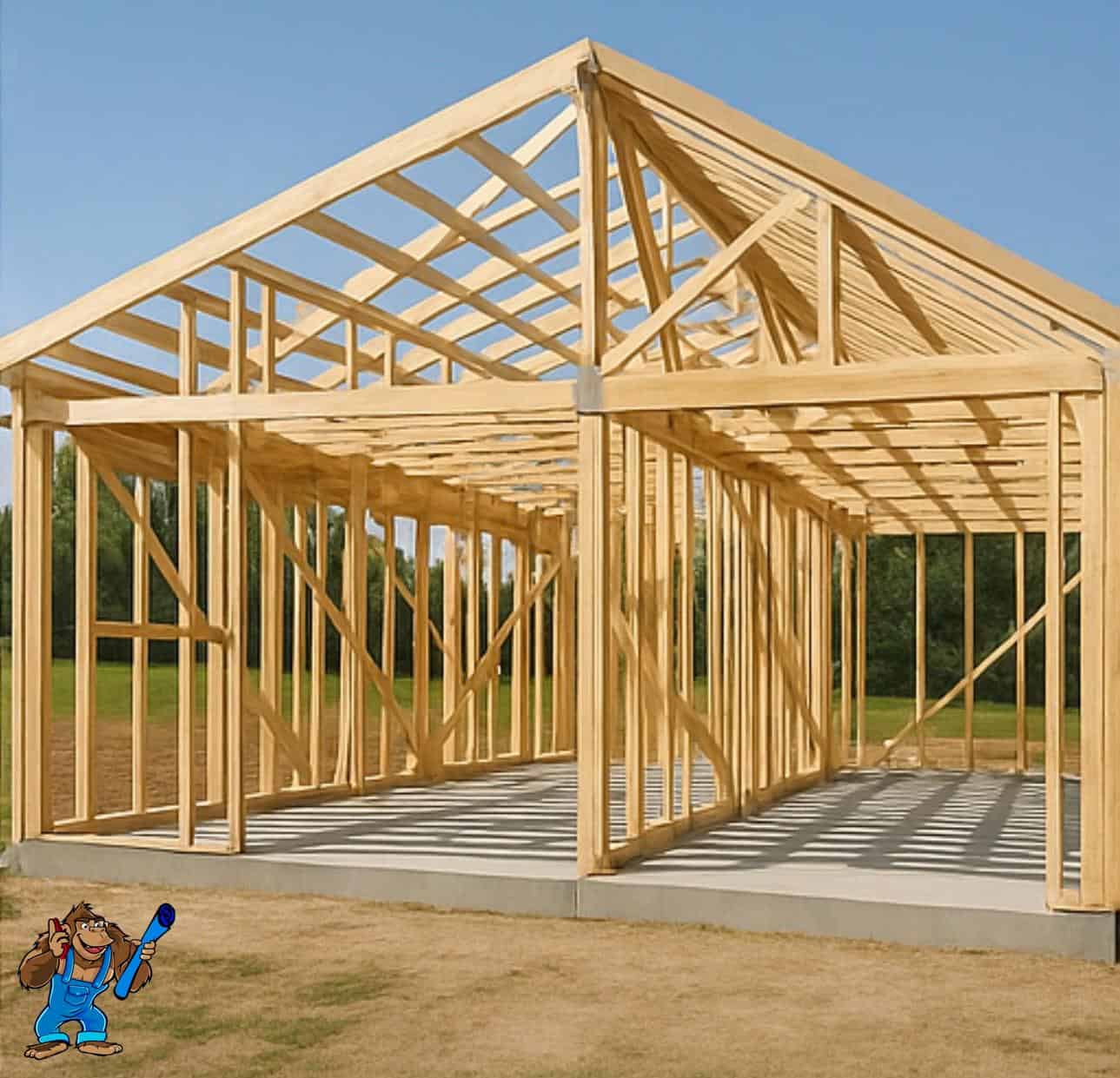
A barndominium is best understood as a design style, not a specific material. While many barndominiums use a metal building shell, others are wood-framed or hybrid-engineered.
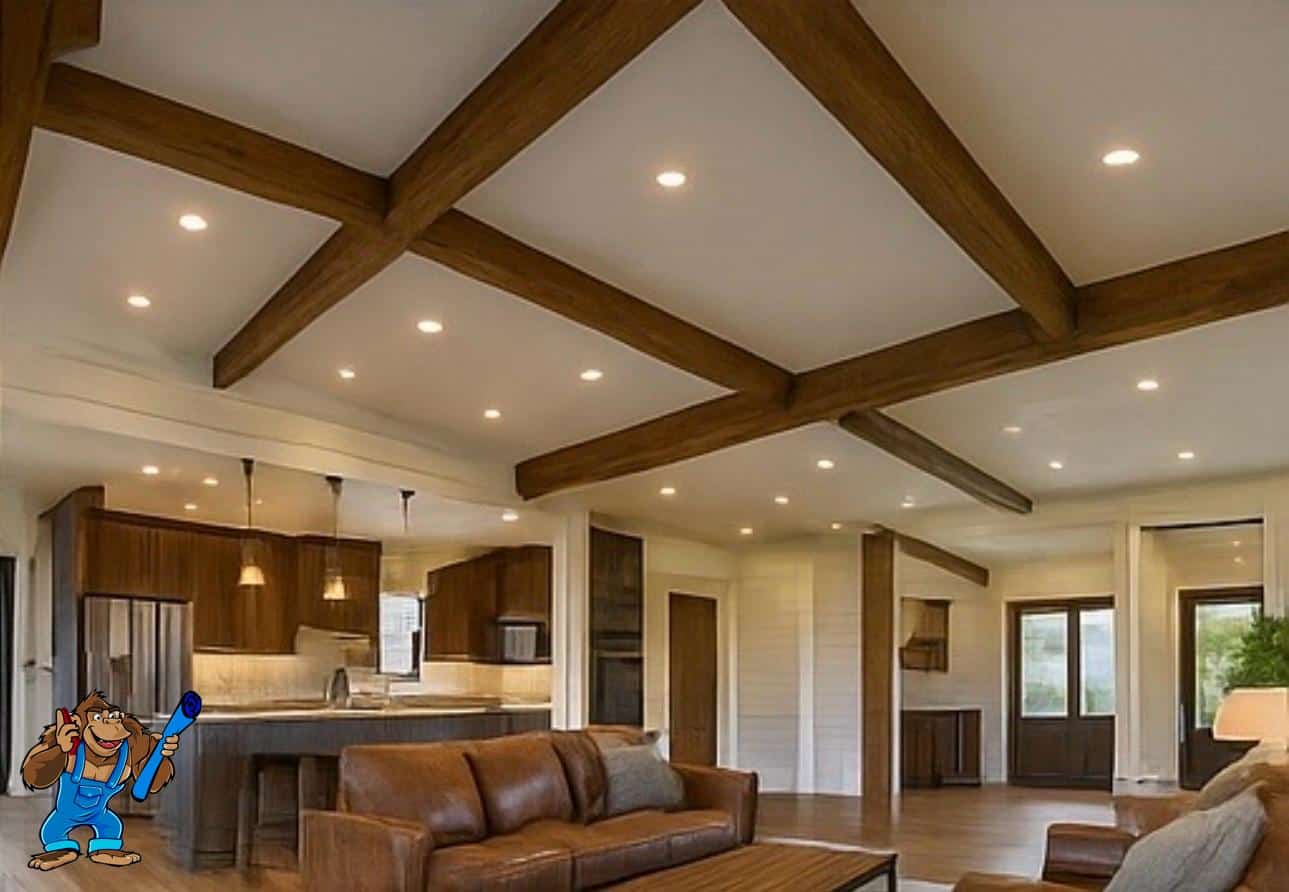
What makes a barndominium recognizable is the open interior layout, tall ceilings, and flexible living space, not the use of metal alone.
A barndominium can be:
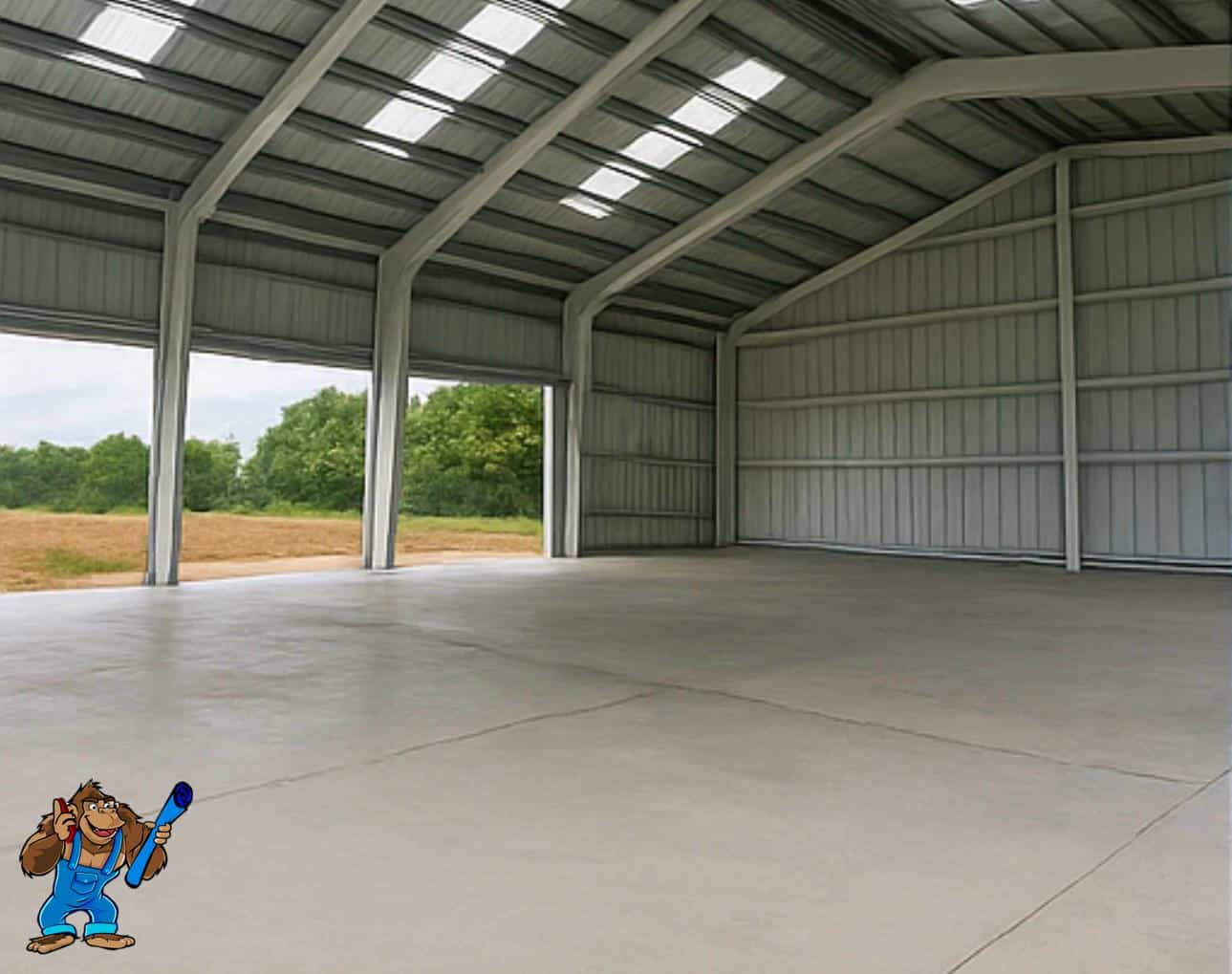
– Metal framed
– Wood framed
– Hybrid construction
– Built on slab, crawlspace, or full foundation
– Finished rustic, modern, industrial, or luxury
MYTHS VS. REALITY ABOUT BARNDOMINIUMS
Myth #1: “Barndominiums are always cheaper to build.”
Reality: A barndo shell may appear inexpensive, but a finished, livable home must include:
– Foundation engineering
– Insulation & thermal systems
– Electrical, plumbing & HVAC
- – Windows, doors & interior framing
- – Drywall, flooring, cabinets & finishes
– Permits, engineering & inspections
Once these are included, barndominium costs are often similar to or higher than traditional homes. Metal buildings can also require more expensive insulation strategies and thermal control systems.
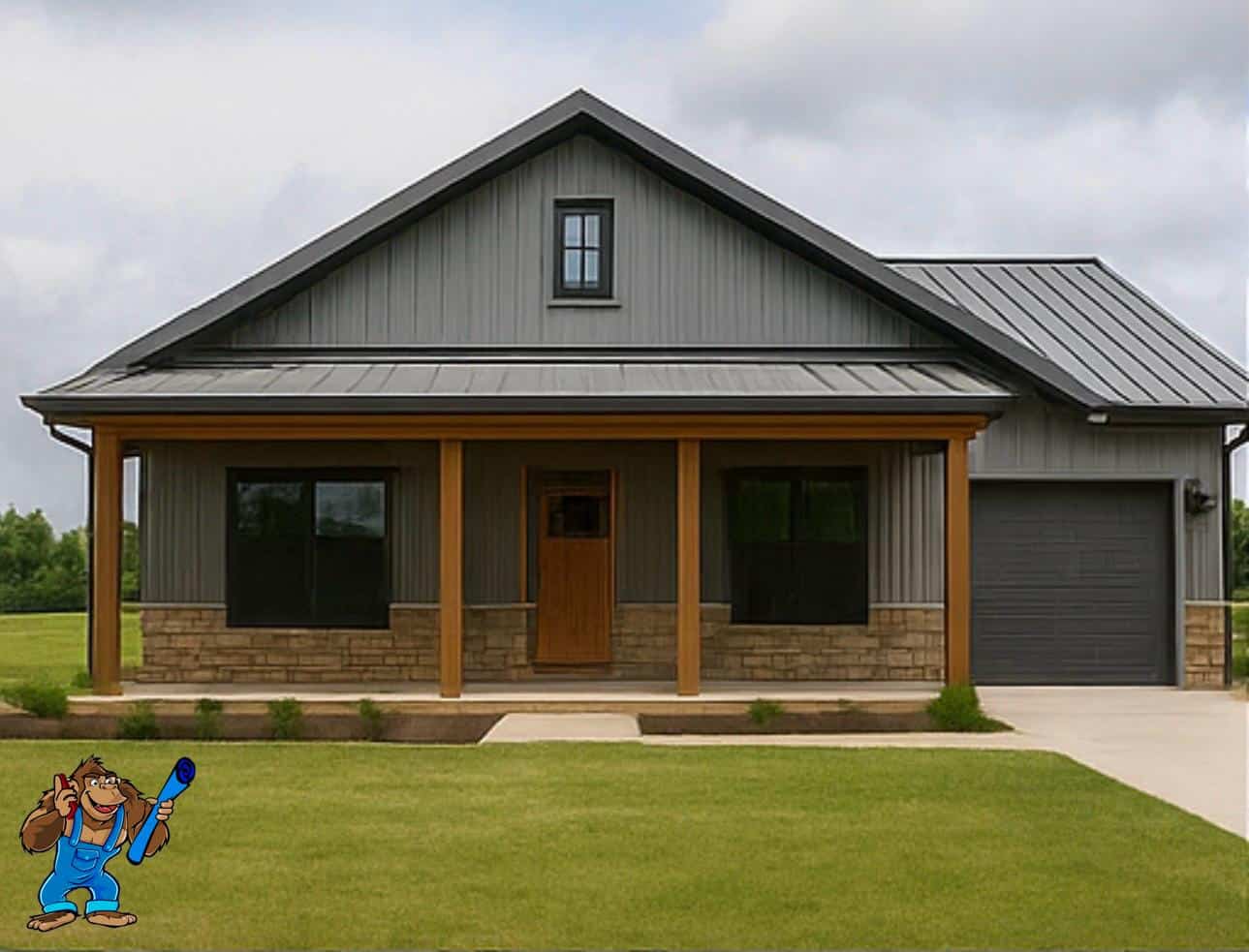
Myth #2: “Barndominiums must be metal buildings.”
Reality: A barndominium does not have to be metal. Many are wood-framed. Some combine both.
Myth #3: “Barndos don’t have to meet the same building codes.”
Reality: A barndominium is a residence, and must meet the exact same safety, structural, and energy codes as any other home.
Your home is built to the same safety and durability standards we use for commercial structures, especially when metal building shells are used, where condensation control, structural engineering, and insulation installation are critical.
Myth #4: “Barndominiums are fast to build.”
Reality: While a metal shell may erect quickly, a barndominium still requires all standard construction phases.
—
WHERE HOMEOWNERS GET INTO TROUBLE
- Total cost underestimation
- Site work requirements
- Code compliance issues
- Engineering needs
- Contractor inexperience
REAL BENEFITS OF BARNDOMINIUMS (WHEN BUILT CORRECTLY)
– Large open living spaces
– Flexible design
– Integrated shops/garages
– Durable systems
– Energy efficiency with proper insulation
HOW GORILLA BUILDING BUILDS SAFER, SMARTER BARNDOMINIUMS
Commercial-Grade Standards:
We apply the same commercial durability and safety practices to all barndominiums, especially metal building shells.
Our Process Includes:
– Site-specific engineering
– Code-first planning
– Transparent cost assessment
– Material-appropriate construction
– Quality control
Considering a barndominium? Build it the right way.
Schedule a consultation with Gorilla Building today:
https://www.gorillabuilding.com
FAQ SECTION
Q1: Are barndominiums cheaper?
A: Not always; shell kits do not include full build-out costs.
Q2: Do they last as long as traditional homes?
A: Yes, when engineered and built properly.
Q3: Are they storm-safe?
A: Properly engineered barndominiums are very strong.
Q4: Can they be financed?
A: Yes, when meeting residential codes.
Q5: Are they energy efficient?
A: Yes, with correct insulation and thermal systems.