
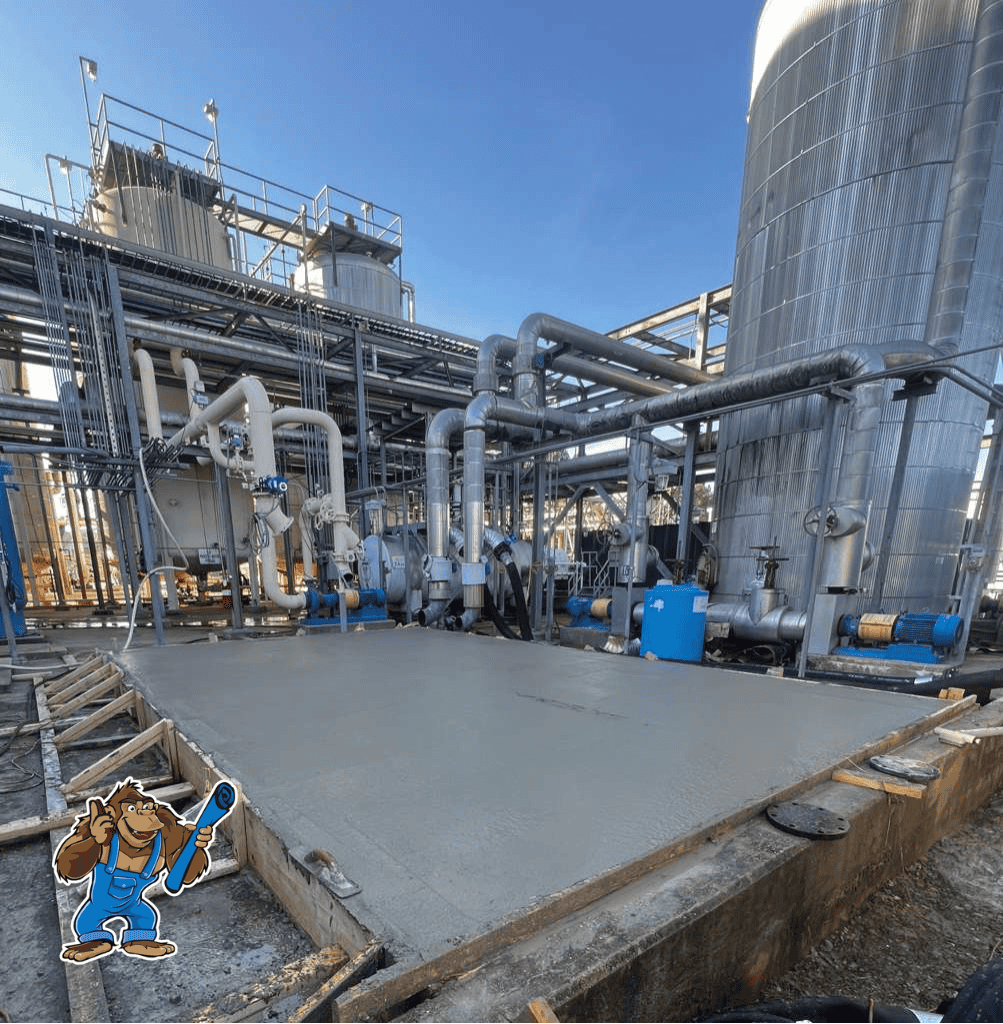
Cold weather concrete work requires careful planning, proper materials, and strict adherence to industry best practices. One of the most common — and damaging — mistakes made during cold weather concrete pours is adding water to the mix on site to improve workability. While this may seem harmless, adding water to concrete in cold conditions can significantly reduce strength, durability, and long-term performance.
This article explains why adding water during cold weather concrete pours is dangerous, how it affects the curing process, and what should be done instead to ensure a structurally sound result.
How Concrete Cures in Cold Weather
Concrete hardens through a chemical process called hydration, in which cement reacts with water to form a hardened matrix that binds the aggregate together. This process is temperature-dependent.
According to industry standards such as ACI 306 (Cold Weather Concreting):
- Hydration slows significantly below 50°F
- Fresh concrete must be protected from freezing until it reaches sufficient strength
- Early freezing can permanently damage concrete
Cold weather already places concrete at risk. Adding extra water increases that risk.
Why Adding Water to Concrete Weakens It
Concrete strength is directly controlled by the water-cement ratio. When additional water is added:
- The cement paste becomes more porous
- Compressive strength is reduced
- Durability decreases
Even small increases in water content can result in measurable strength loss, which cannot be reversed once the concrete cures.
In cold weather, hydration is already slowed. Excess water further delays strength gain and compromises the internal structure of the concrete.
Increased Risk of Early Freeze Damage
Fresh concrete is highly vulnerable to freezing before it reaches approximately 500 psi of compressive strength. When excess water is present:
- Free water can freeze inside the concrete
- Ice expansion disrupts the cement paste
- Microcracking occurs within the slab
Once early freeze damage happens, the concrete will never achieve its intended design strength, even if temperatures rise later.
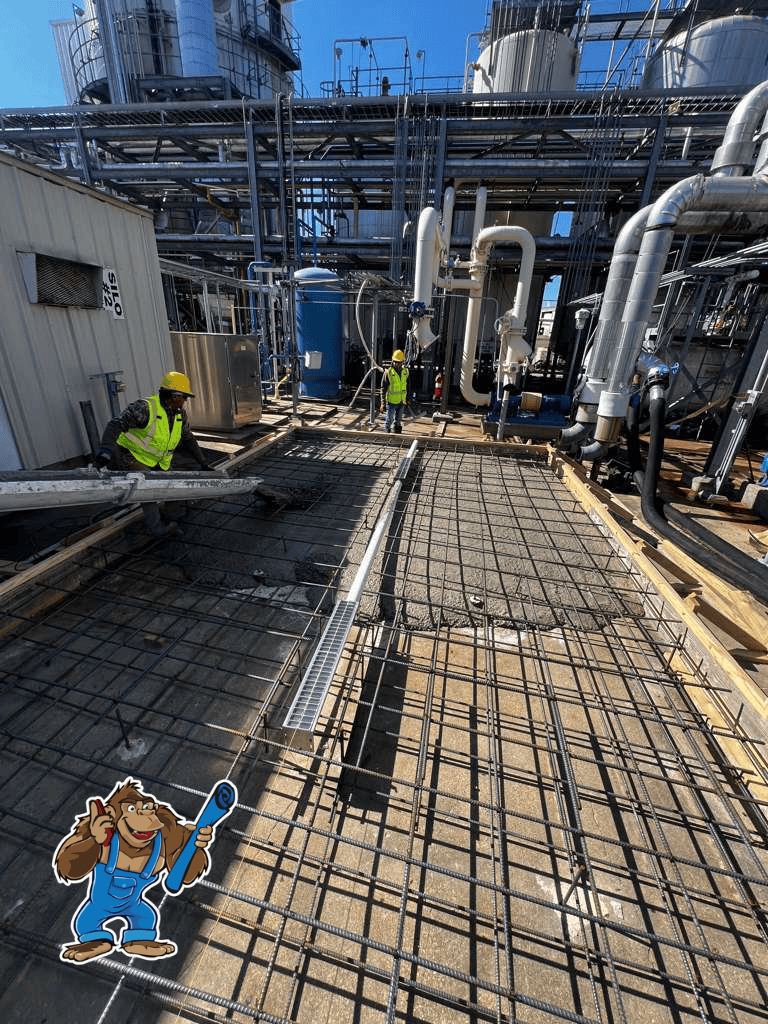
Surface Scaling and Flaking
One of the most common cold-weather failures caused by added water is surface scaling.
Here’s why it happens:
- Extra water rises to the surface during finishing (bleed water)
- The surface layer has a higher water-cement ratio
- That layer is weaker and more porous
When exposed to freeze-thaw cycles, the surface begins to flake, scale, or powder. This damage may not appear immediately and often shows up months after the pour.
Delayed Set Time and Finishing ProblemsAdding water in cold weather further delays setting time. This often leads to:
- Overworking the surface
- Closing bleed water into the slab
- Trapping moisture beneath the surface
These conditions increase the likelihood of:
- Dusting
- Delamination
- Uneven curing
- Premature surface failure
Increased Shrinkage and Cracking
Excess water must eventually evaporate. As it does:
- Shrinkage increases
- Cracking becomes more severe and less predictable
- Long-term durability is reduced
Cold weather already stresses concrete due to thermal contraction. Additional water compounds these stresses.
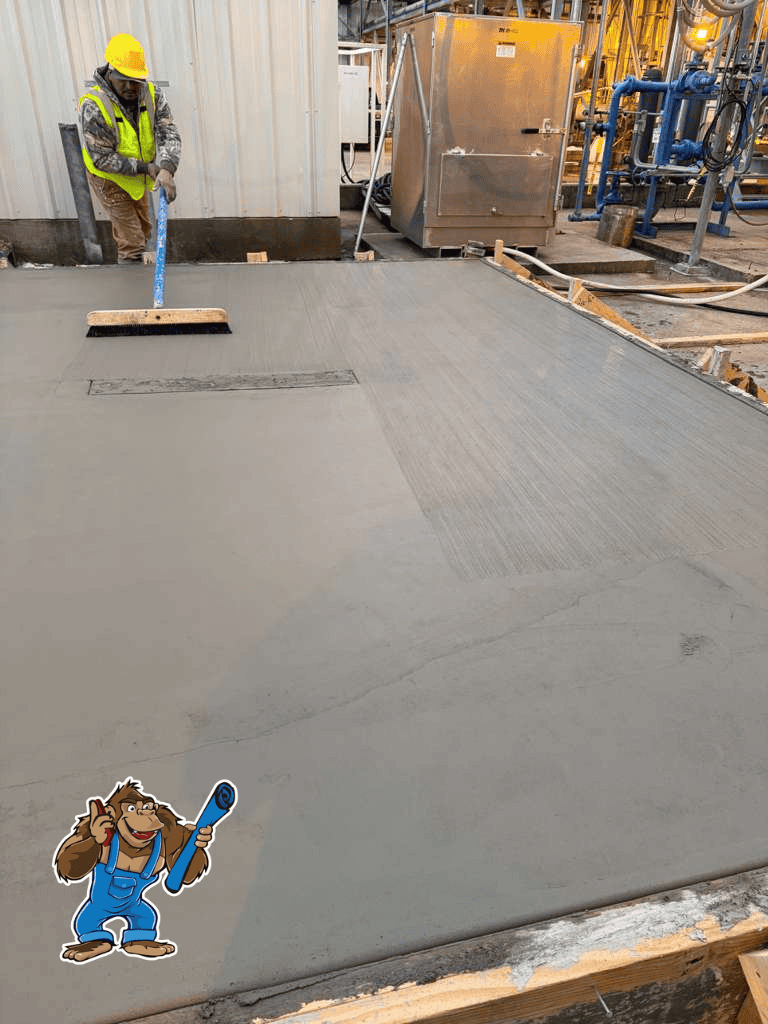
Proper Alternatives to Adding Water in Cold Weather
Industry-accepted cold weather concreting practices focus on temperature control and mix design, not adding water on site.
Proper solutions include:
- Heated mix water introduced at the batch plant
- Approved accelerating admixtures (non-chloride when required)
- Insulated concrete blankets
- Temporary enclosures and heat sources
- Ground thawing prior to placement
- Maintaining concrete temperature above recommended minimums during early curing
These methods preserve concrete strength while improving workability safely.
Why Adding Water Is Never the Correct Fix
If concrete requires water to be added during cold weather to remain workable, it indicates:
- Improper mix design
- Inadequate temperature control
- Poor planning for weather conditions
Adding water does not solve cold weather problems — it creates long-term structural risks that may not be visible until failure occurs.
Todd Wilson
Gorilla Building Roofing and Construction